
Three subsystems. One always on guardian.
Cameras, edge AI, and alarms working together to detect distress and respond in seconds.
Three subsystems. One always on guardian.
Two synced cameras
One camera above the water and one below. Together they cover 20 meters wide by 1.5 meters deep, so unusual behavior is caught the moment it happens.
Edge AI device
NVIDIA Jetson / Coral TPU runs YOLOv11 locally. No cloud required.
Siren + strobe
Loud onsite alarms activate the moment risk crosses threshold.
Instant alerts
Push and SMS to caregivers and lifeguards in under 10 seconds.
Water quality
Live pH, temperature, and depth monitoring for operators.
Solar ready
10 to 20W panel plus 12V 20Ah battery for off grid deployment.
Works offline
Local event logs and on site alarms when internet drops.
Auto escalation
Auto call emergency services if no human response.
If the internet drops, safety does not.
HydroGuard monitors pools 24/7, and it never depends on a connection to protect people. If internet connectivity is ever lost, the system keeps sounding onsite alarms and logs every event locally for later retrieval. This offline first architecture is what separates HydroGuard from cloud dependent competitors.
From detection to dispatch in seconds.
See
Cameras stream live to the on device AI, tracking posture, motion, and submersion in real time.
Score
The HydroGuard Risk Score turns classification, time underwater, and motion into one number from 0 to 100.
Alert
When risk crosses the threshold, sirens, strobes, and mobile alerts fire in under 10 seconds.
Respond
Zone pinpoints location. One tap emergency calling. Auto escalation if no response.
A single number that decides when seconds matter.
HRS is a real time weighted formula developed by our student engineering team. It combines three critical metrics, motion irregularity, submersion duration, and whether someone is swimming, struggling, or drowning, into a single score from 0 to 100. The instant the score crosses the danger threshold, the alarm sequence begins.
Classification × confidence. Swimming / Struggling / Drowning, weighted by YOLO confidence.
Continuous time spent submerged or motionless beyond safe thresholds.
Erratic distress patterns vs. unusual stillness in water.
A smart score that reads the scene like a lifeguard would.
HydroGuard boils everything it sees into one simple score from 0 to 100. Three critical metrics decide the number, motion irregularity, submersion duration, and whether someone is swimming, struggling, or drowning. When the score reaches the danger zone, the system acts instantly.
Swimming, struggling, or drowning — weighted by how confident the AI is about what it sees.
The longer someone is submerged or motionless, the more the score rises.
Erratic thrashing or sudden stillness both signal something is wrong.
At 66 and above, photos of the incident are sent straight to the lifeguard and loud alarms sound across the pool area, so the drowning swimmer is rescued immediately.
From industrial design to companion app.
Early hardware renders and UI mockups from the HydroGuard development build, currently being refined under Dr. Tarig Ali's mentorship at the American University of Sharjah.
Industrial design
Wall mounted unit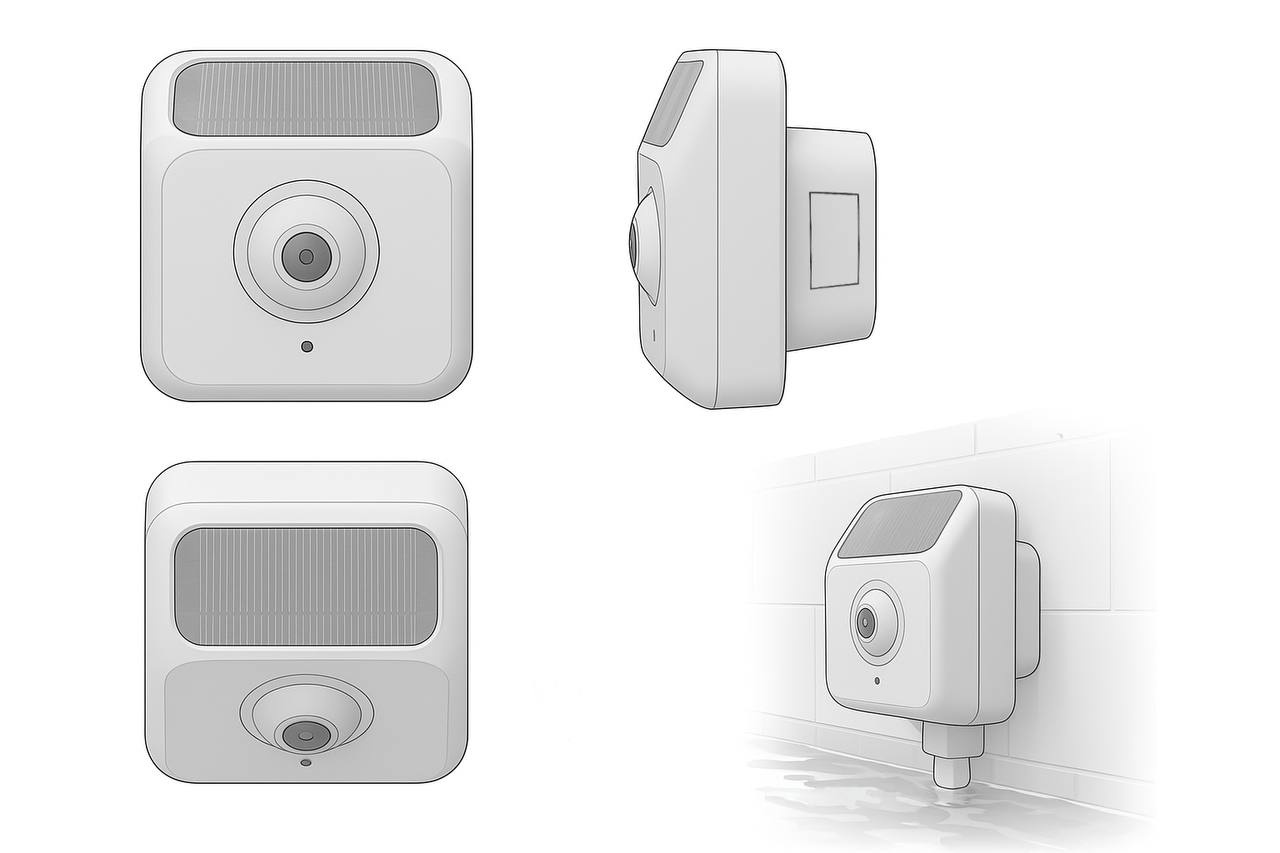
Your pool, in your pocket.
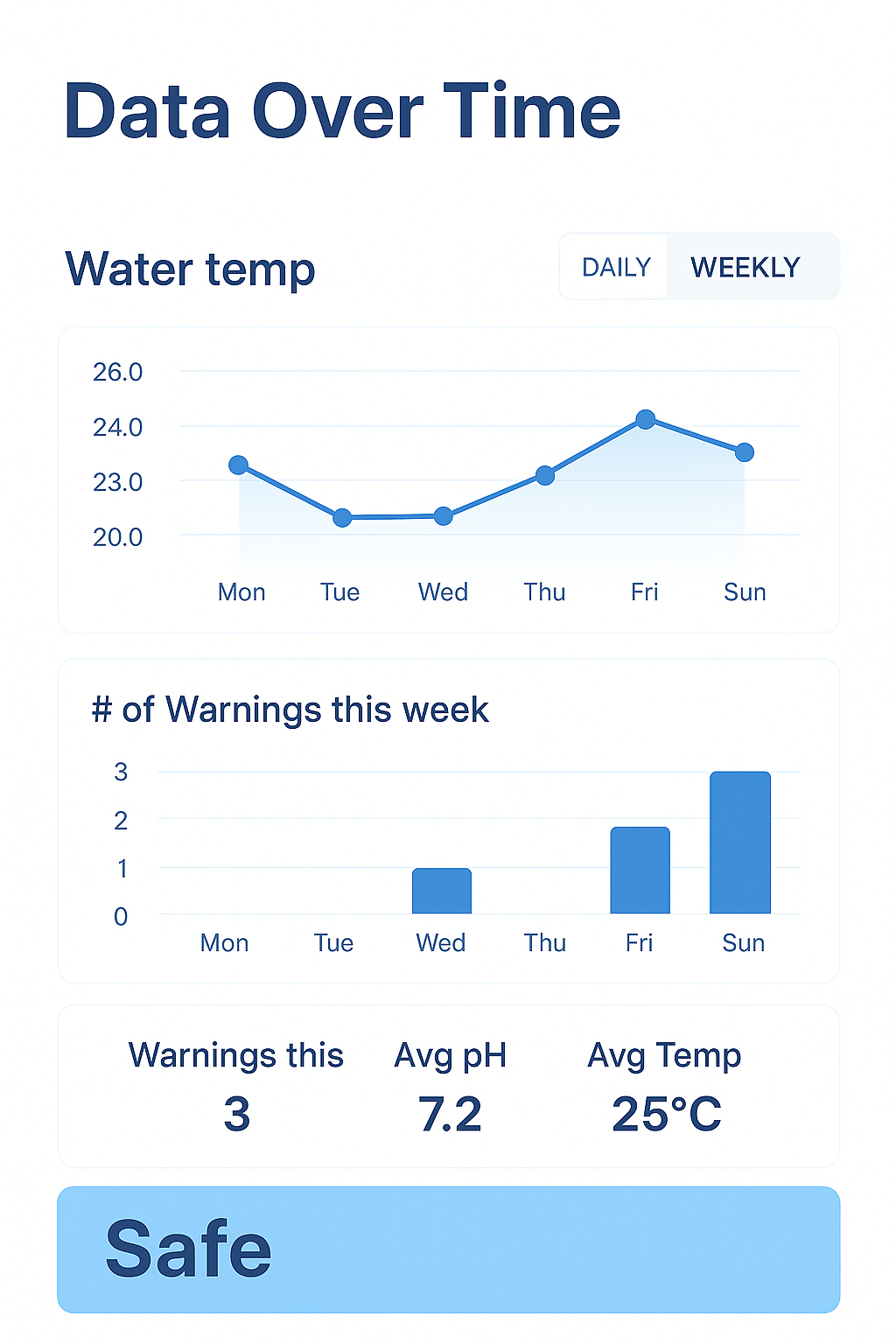
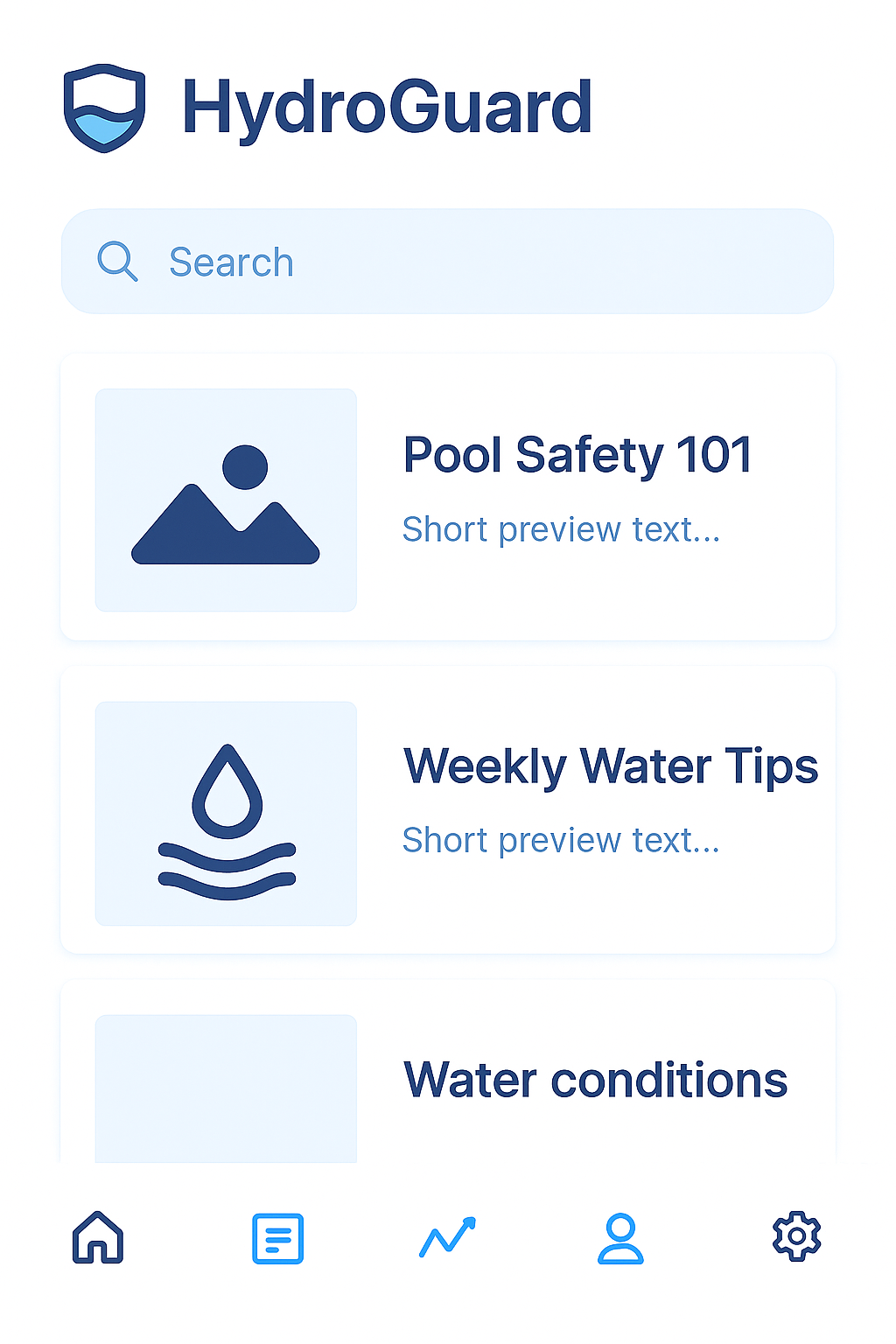
Swipe the phone, tap an arrow, or click a screen below to flip through HydroGuard's mobile experience — from live vitals to emergency response.
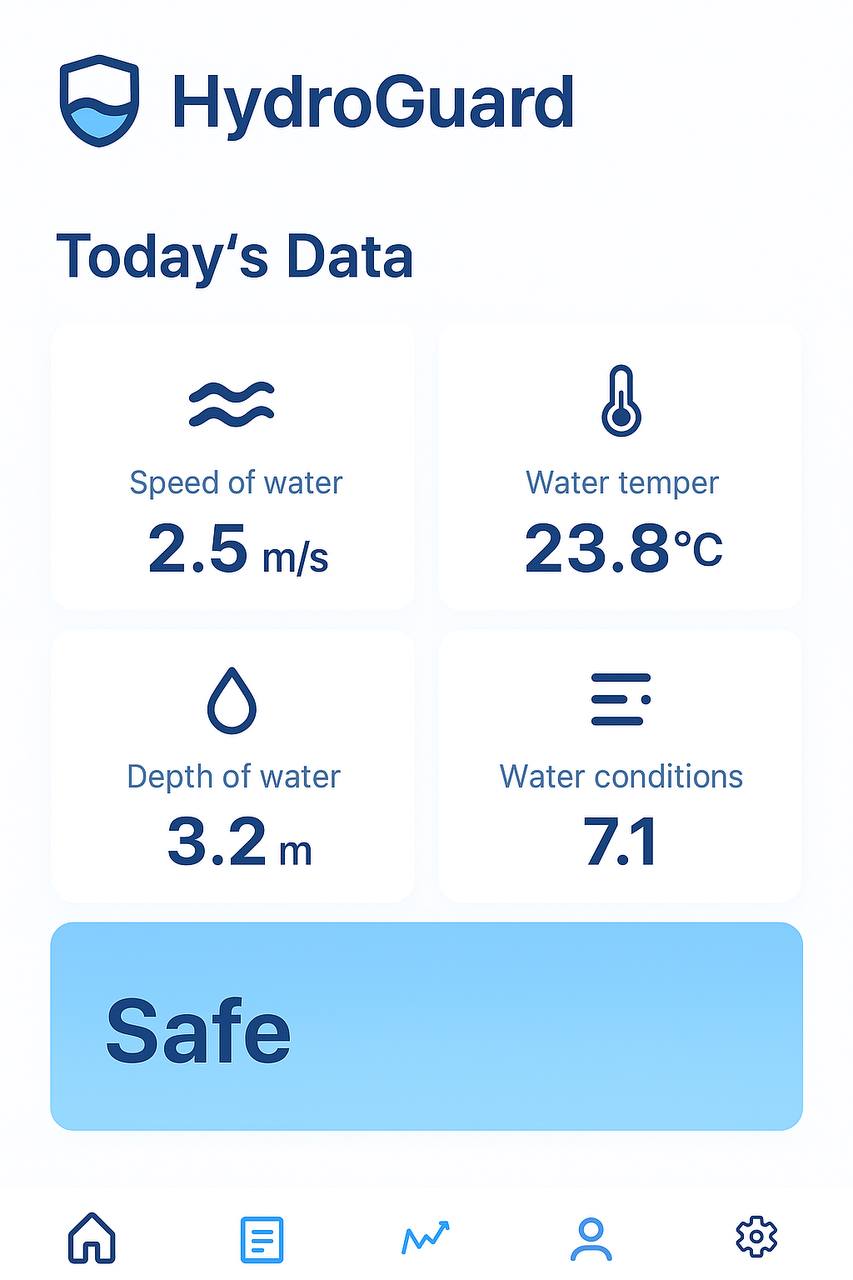
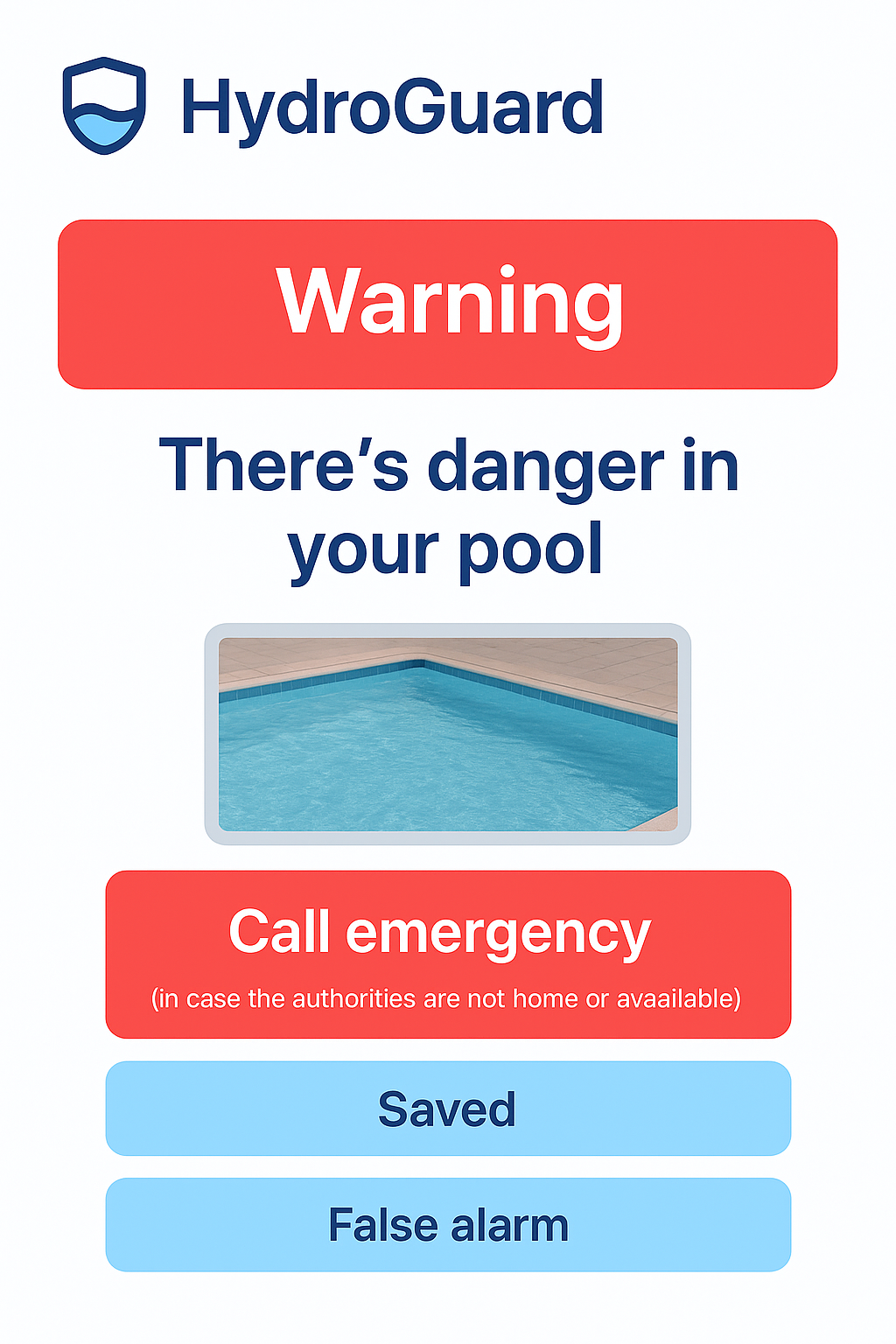
Keep going.
Every second matters. So does every pool.
Talk to our team about bringing HydroGuard to your facility, school, or home.
Get HydroGuard